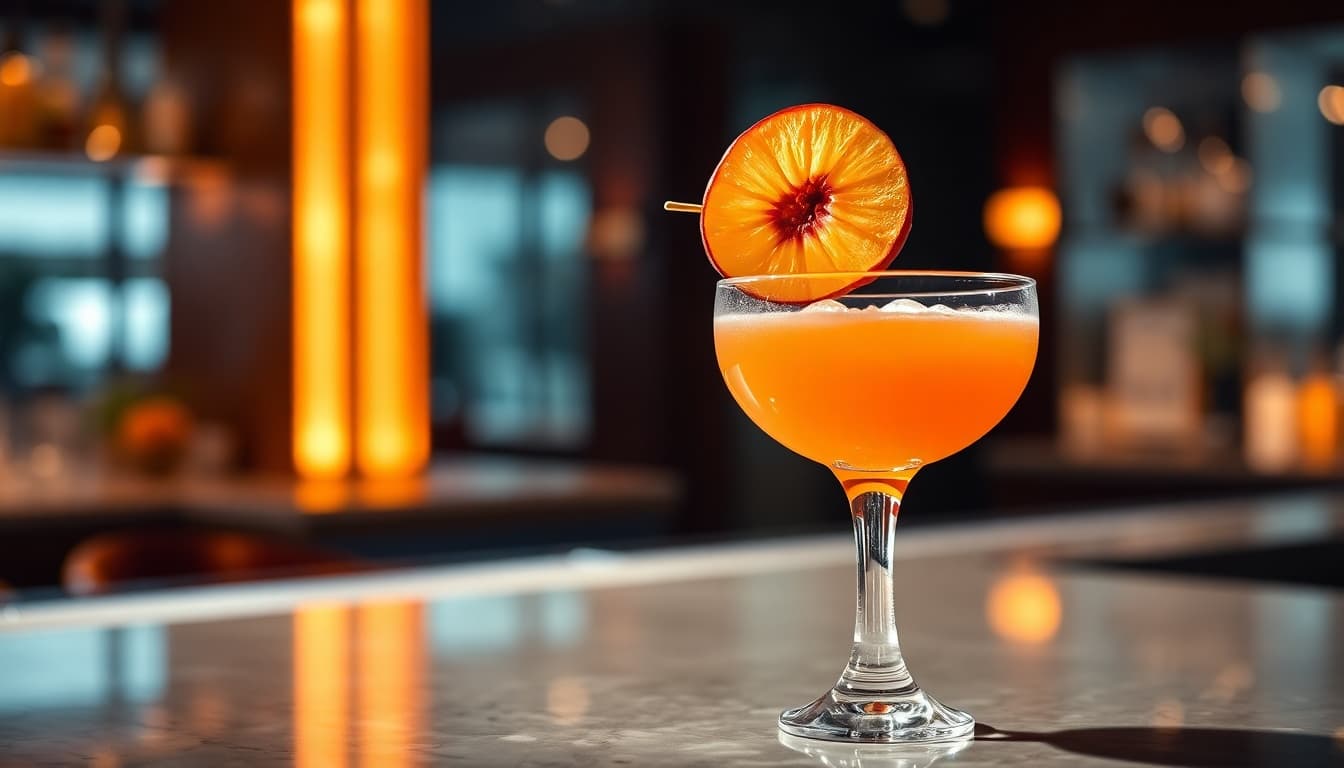
The cocktail industry is experiencing unprecedented innovation in 2025, with bartenders and brands pushing boundaries in sustainability, technology, and flavor exploration. From carbon-negative spirits to AI-assisted recipe development, the modern mixology landscape reflects our evolving relationship with conscious consumption and technological advancement.
Sustainable Spirits Take Center Stage
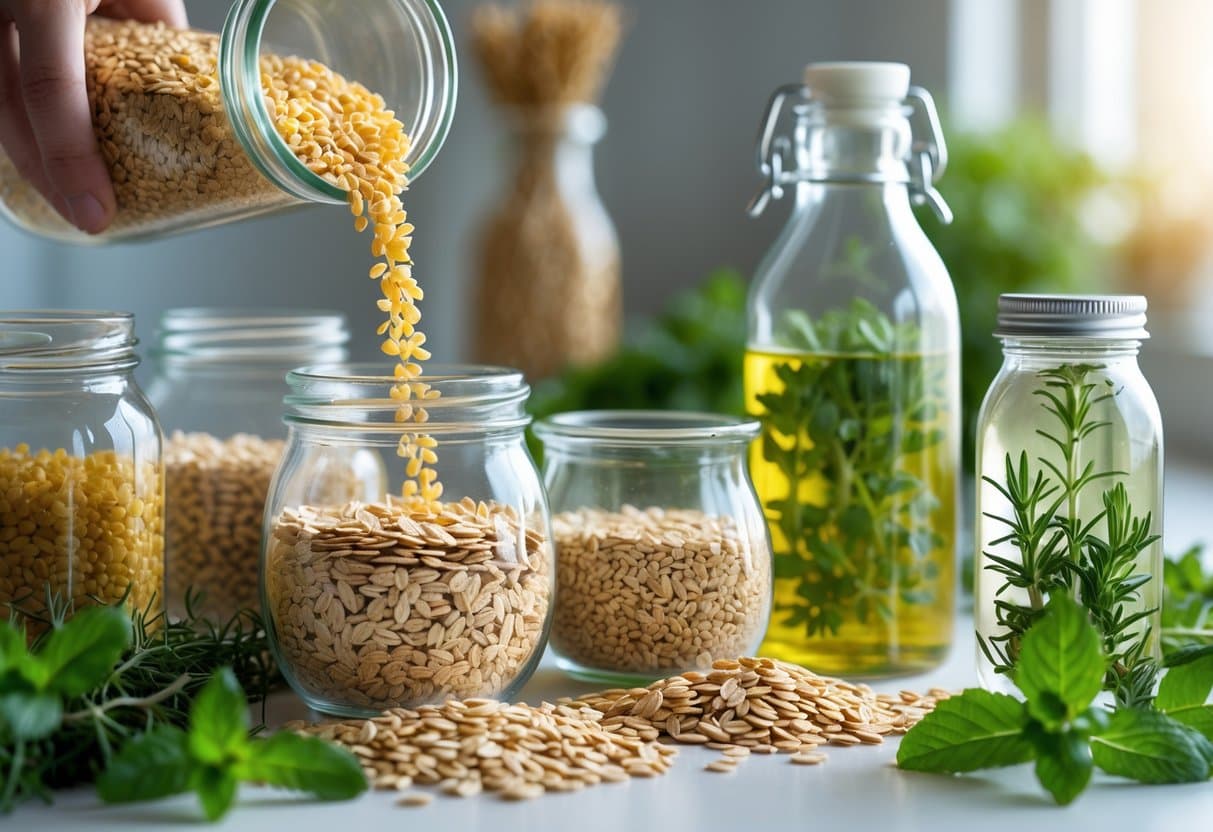
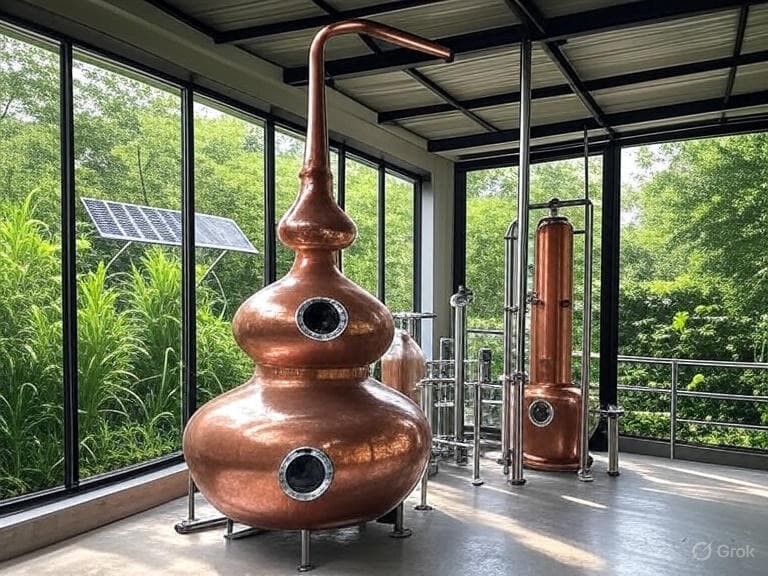
Environmental consciousness has moved from trend to necessity, with distilleries adopting revolutionary production methods that actually benefit the planet. A far cry from our somewhat wasteful cereal infused cocktails. Carbon-negative spirits, created through innovative atmospheric capture technologies, are becoming popular for environmentally conscious establishments.
Locally sourced botanicals and zero-waste production cycles are reshaping how spirits are conceived and created. Forward-thinking distilleries are partnering with regenerative agriculture initiatives, ensuring their ingredient sourcing actively improves soil health and biodiversity.
Sustainable Alcohol Brands
While some of these trends are new, companies like Absolut Vodka have been operating their distillery in a carbon nuetral state for some time. Remember that the next time you order an Apple Cider Moscow Mule
Sustainable Alcohols
- Half Shell Vodka - Uses 94% recycled paperboard bottles and plants a tree for every bottle sold from participating stores in April.
- Flor de Caña - This rum is sustainably produced, distilled with 100% renewable energy, and is Carbon Neutral and Fair Trade certified. Perfect for those Frozen Daiquiris
- Batiste Rum - This rum has a carbon-negative supply chain and utilizes sustainable farming and production methods, including using recycled materials for its packaging.
- 3 Amigos Tequila - Certified organic and kosher, this tequila is made with 100% blue agave and is additive-free. Possibly the most popular for our Tequila recipes
- Beeble - This B Corp certified company produces honey spirits using local, ethical, and sustainably sourced honey.
- Gray Whale Gin - This gin is sustainably produced using locally sourced or wild-foraged ingredients. They are a 1% For The Planet member and partner with Oceana.
- Mermaid Gin - A B Corp certified gin with plastic-free packaging and ethically sourced botanicals.
- Woodford Reserve - This whiskey brand recycles 98% of its waste material, composts most of its food scraps, and has dedicated land for native grass restoration.
- Benziger Wines - These wines are produced with certified sustainable, organic, and biodynamic farming practices.
- St. Supery - This winery uses sustainable and biodiverse farming methods, has significantly reduced its water usage, and uses solar power to offset most of its energy consumption.
- Segura Viudas - This winery uses indigenous grape varieties and biodiverse farming methods. It is certified as a Winery for Climate Protection.
Technology Meets Tradition
Artificial intelligence is transforming recipe development, analyzing thousands of flavor combinations to suggest unexpected pairings that delight adventurous drinkers. Smart bar tools equipped with precision sensors ensure consistent quality, while automated aging systems accelerate traditional processes without compromising character.
Virtual reality cocktail experiences are emerging in premium establishments, allowing patrons to "visit" the origins of their ingredients while enjoying carefully crafted drinks. These immersive experiences create deeper connections between consumers and the stories behind their cocktails.
The integration of blockchain technology in spirit authentication and provenance tracking ensures transparency and combats counterfeiting, particularly important for rare and vintage expressions.
Through these innovations, the cocktail industry demonstrates that embracing technology enhances rather than replaces traditional craftsmanship, creating new possibilities for creativity and connection.