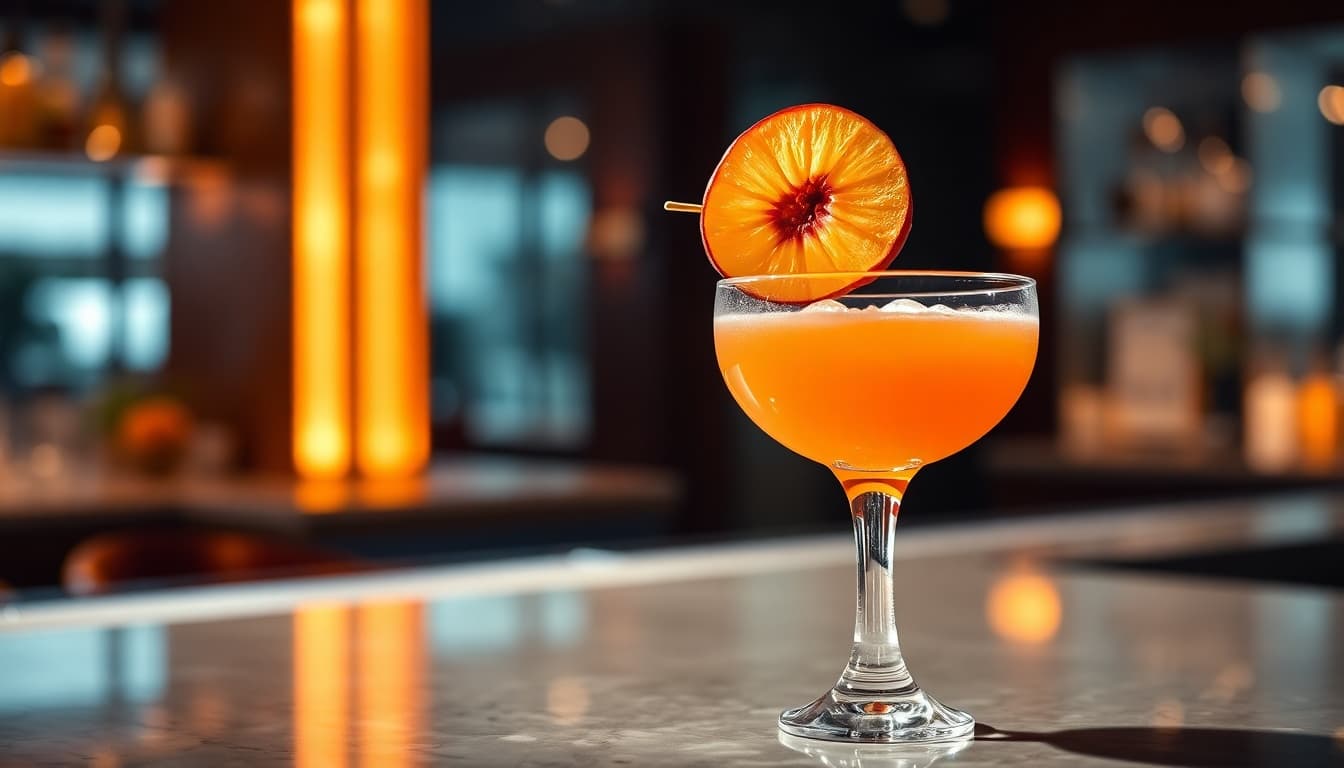
The modern craft cocktail renaissance represents far more than a return to quality ingredients and classic techniques—it embodies a fundamental shift in how we understand drinking culture, hospitality, and the artistry of flavor combination. This movement, emerging from the ashes of Prohibition and decades of industrial cocktail production, has redefined what it means to create and enjoy thoughtfully crafted drinks.
Post-Prohibition Recovery
The end of Prohibition in 1933 didn't immediately restore America's cocktail culture to its former sophistication. Decades of underground drinking, followed by post-war convenience culture, created a generation of bartenders and drinkers unfamiliar with pre-Prohibition standards of quality and technique.
The 1950s and 1960s saw the rise of convenience-focused bartending, with artificial mixers and simplified recipes dominating both home and commercial establishments. Sweet and sour mix replaced fresh juices, while bartending became more about speed than craft.
The Turning Point
The craft cocktail revival began in the 1980s and 1990s, driven by a small group of passionate bartenders and cocktail enthusiasts who recognized the artistry and historical significance of traditional mixology. These pioneers began researching pre-Prohibition recipes, techniques, and ingredients.
Dale DeGroff's work at the Rainbow Room in New York City during the 1980s exemplified this movement, emphasizing fresh ingredients, proper technique, and respect for cocktail history. His influence spread throughout the industry, inspiring a new generation of bartenders to view their craft as both art and hospitality.
Modern Evolution
Today's craft cocktail movement goes beyond mere nostalgia, incorporating modern understanding of flavor chemistry, sustainable practices, and innovative ingredients while respecting traditional foundations. Contemporary bartenders balance historical knowledge with creative expression, producing drinks that honor the past while embracing future possibilities.
The movement has democratized quality cocktail culture, with home enthusiasts gaining access to professional-grade tools, ingredients, and knowledge previously available only to industry professionals. This accessibility has created a more informed and appreciative drinking public.
Through this evolution, craft cocktails have transformed from simple recreational beverages into vehicles for storytelling, cultural expression, and community building, reflecting our broader relationship with quality, authenticity, and craftsmanship in modern life.